Ants Michigan
I believe the most interesting things are always happening on the ground, just beneath our feet as we go through our day.This small website is my personal front for my ant-keeping career. If you wish to learn more about the ant-keeping hobby, Michigander or not, you came to the right place!
Ants For Sale
With the 2025 nuptial flights on the horizon, I will soon have more ants available!
| Species | Colony Size | Housing | Price |
|---|---|---|---|
| N/A | N/A | N/A | N/A |
If you're interested in any of the colonies listed above, please contact me!
Text me at: +1 (248) 832-9447 (preferred method)
Email: [email protected]
*Due to the strict laws on the interstate movement of ants instated by the USDA, I am unable to sell ants outside of Michigan
Ant Species
| Species | Members | Found/Got |
|---|---|---|
| Formica Aserva | 40 | Aug 13, 2024 |
Last Updated:
March 7th, 2025Table is constantly updated to stay up-to-date on everything
Mantis Species
| Species | Instar | Found/Got |
|---|---|---|
| Hierodula majuscula | Dead | May 13th, 2023 |

Tapinoma sessile
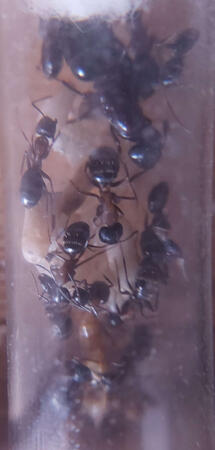
Camponotus novaeboracensis

Camponotus discolor housed in Ytong

Camponotus novaeboracenis chowing on Dubia Roach
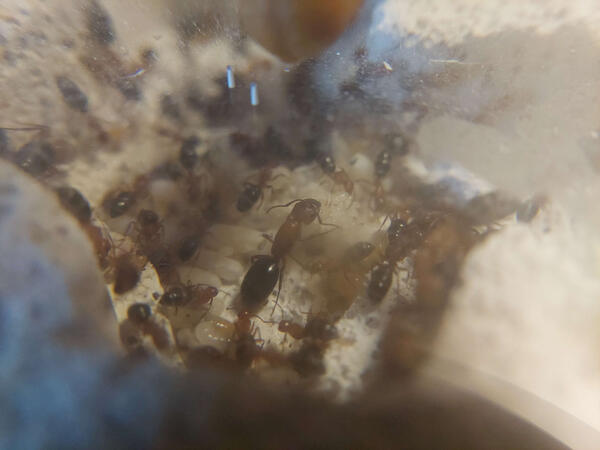
Camponotus discolor queen inside her nest
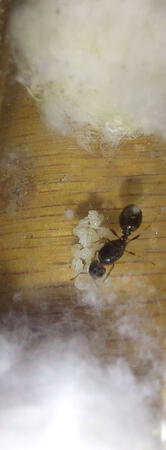
Tetramorium immigrans Founding Queen
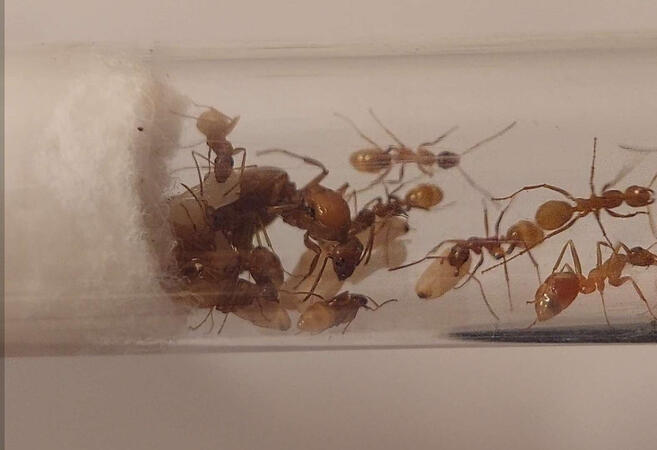
Formica pallidefulva


Distribution & Overview: Formica aserva and most other sanguinea-group Formica are found in northern states inside forests, meadows, etc. They are best known for slave raiding nests of Formica fusca-group (a prominent species mentioned in the video being Formica subsericea) and even Formica neogagates-group.Queens are ~7-8mm
Workers are ~4-7mm
This species is not polymorphic*Founding: This species, like most ants, can be reared in a simple test tube setup. After catching a queen, she needs ideally 50+ pupae of either Formica fusca or neogagates group to found successfully. Like other ants, the queen should be left alone in a dark place during founding to avoid stressing the queen.Egg to worker time: ~4-6 WeeksTemperature & Humidity:
Temperature: 68-75°F/20-24°C; these ants can be heated with a heat cable although it's not required
Humidity: 50-70%Diet: They are generalists. They will scavenge for feeder insects like mealworms, cockroaches, crickets, etc, and will drink any sugary substance.Interesting Facts: Formica aserva in specific are capable of foraging and caring for themselves independently despite being parasitic Formica. The queens of this species, like other parasites, also tend to lay eggs in big batches rather than slowly over time.